HEART-GeN Lab at ASHG 2026: Research, Collaboration, and Community in Montréal
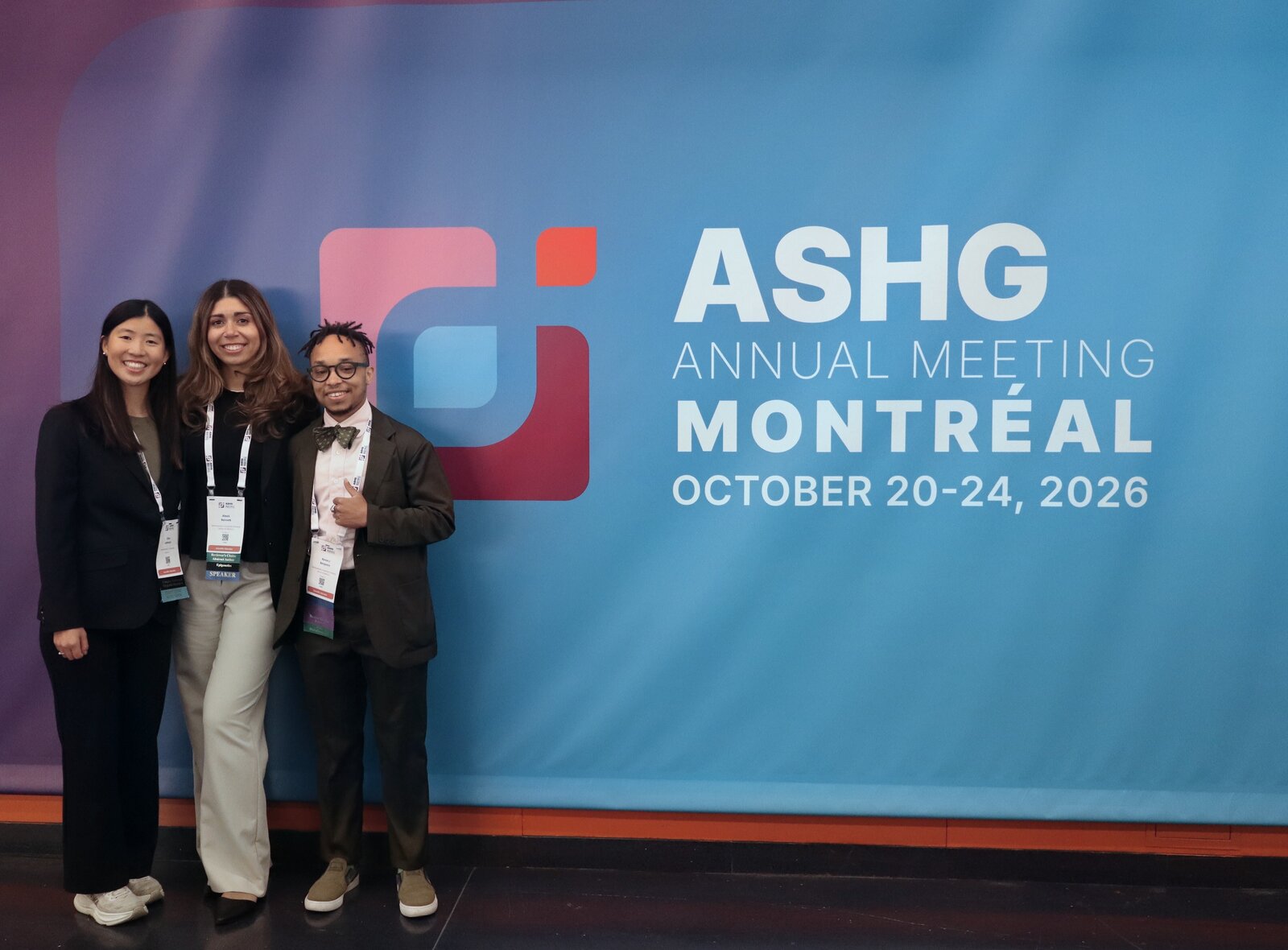
Last month, the HEART-GeN Lab joined researchers, trainees, and colleagues from around the world at the American Society of Human Genetics (ASHG) 2026 Annual Meeting, held October 20–24 in Montréal, Canada.
The meeting brought together the human genetics and genomics community to share scientific advances, exchange ideas, and foster collaborations. For our lab, it was an opportunity to contribute to conversations about analytical approaches in human genetics, present ongoing research in brain epigenomics, and reconnect with colleagues across the field.
This year’s highlights included a workshop co-led by our principal investigator, Dr. Kynon J. M. Benjamin, a lightning talk and poster presentation by Research Data Analyst Alexis Bennett, MS, and a poster presentation by senior undergraduate researcher Elisa K. Johnson.
Exploring Modeling Choices in Human Genetics
On October 20, Dr. Kynon J. M. Benjamin co-led an interactive workshop with Dr. Minoli Perera titled “Modeling Choices in Omics: Implications for Health Disparities in Human Genetics.”
The workshop focused on an important consideration in modern human genetics: analytical decisions can influence scientific discovery, biological interpretation, and the conclusions drawn from studies involving diverse populations.
Through interactive exercises using simulated genomic data, participants explored how choices involving ancestry representation, covariate selection, statistical modeling, and the integration of results across populations can affect genetic and multi-omic analyses.
The session encouraged researchers to critically evaluate the assumptions underlying their analytical approaches and consider how different modeling strategies influence statistical power, effect estimates, and interpretability.
These discussions reflect an important part of the HEART-GeN Lab’s research mission: developing and applying computational approaches that account for molecular and population heterogeneity while supporting rigorous and reproducible human genetics research.
Learn more about the workshop.
Sharing Our Research in Brain Epigenomics
A major highlight of ASHG 2026 was the opportunity for HEART-GeN Lab members to present ongoing research investigating genetic and environmental contributions to molecular variation in the human brain.
Alexis Bennett, MS: Investigating Genetic and Environmental Contributions to Brain DNA Methylation
Alexis Bennett, MS, a Research Data Analyst and member of our lab’s computational research staff, represented the HEART-GeN Lab through both a lightning talk and a poster presentation.
On Wednesday, October 21, Alexis delivered a lightning talk during Session 38: “Genetic Variation: From Catalogs to Consequences.”
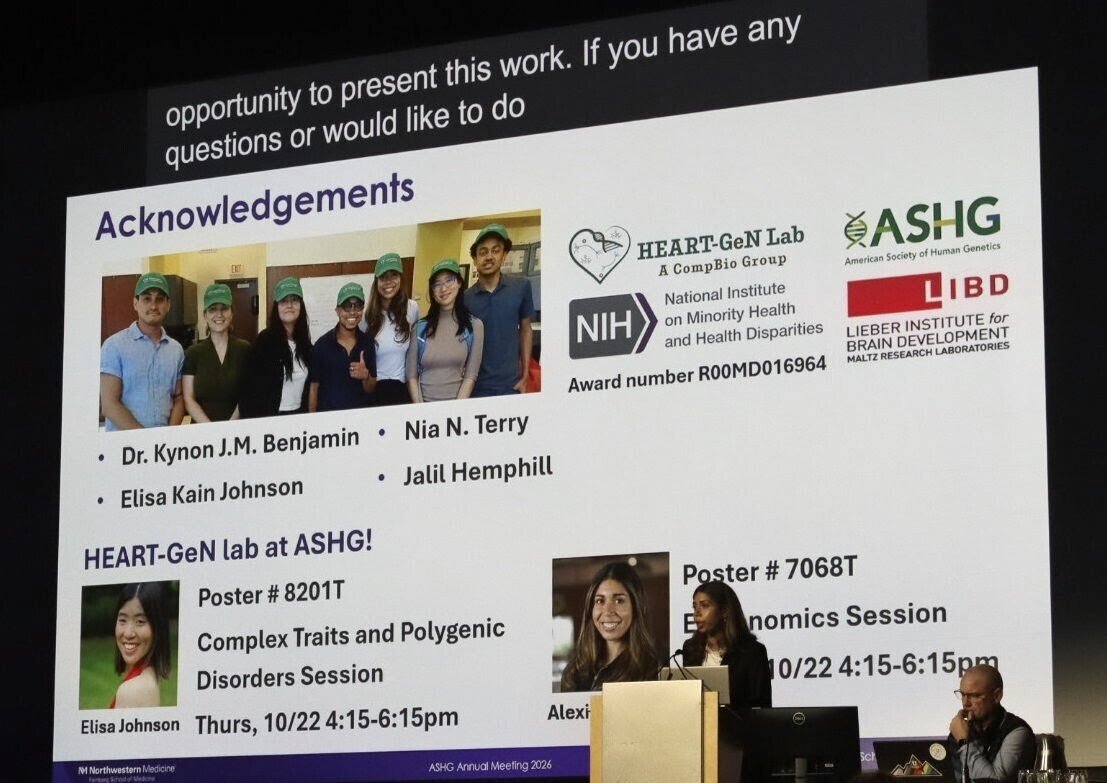
On Thursday, October 22, she also presented a poster during the Epigenomics session, titled:
“SNP-based heritability distinguishes genetically anchored and environmentally patterned methylation variation in the Black American postmortem brain.”
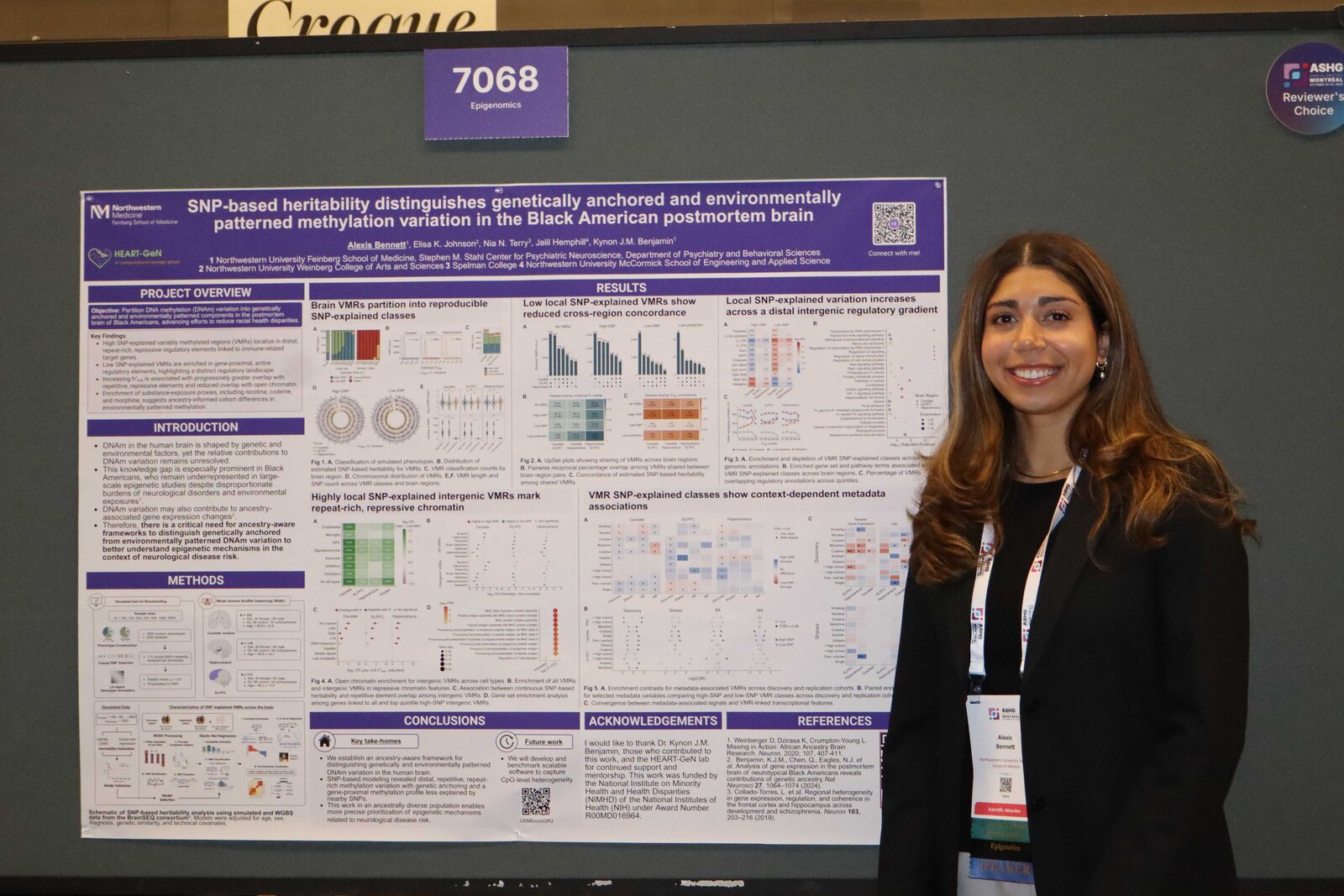
This research examines how genetic and non-genetic influences contribute to patterns of DNA methylation in the human brain. By applying SNP-based heritability analyses, the work investigates differences between methylation variation associated with local genetic variation and patterns potentially reflecting environmental or other influences.
The study contributes to efforts to better characterize brain epigenomic variation in populations that have historically been underrepresented in genomic research.
Alexis’s presentations provided opportunities to share the lab’s computational research with the broader scientific community and engage in discussions about ancestry-aware epigenomics and the molecular biology of neurological disease.
We are proud of her contributions to the lab’s research program and her participation in multiple scientific presentation formats at ASHG 2026.
Elisa K. Johnson: Ancestry-Aware Perspectives on Neurological Disease Risk
Elisa K. Johnson, a senior undergraduate researcher in the HEART-GeN Lab with an interest in pursuing genetic counseling, presented a poster during the Complex Traits and Polygenic Disorders session on Thursday, October 22.
Her poster was titled:
“Ancestry-Aware Analysis of Environmentally Influenced Brain DNA Methylation Regions and Neurological Disease Risk.”
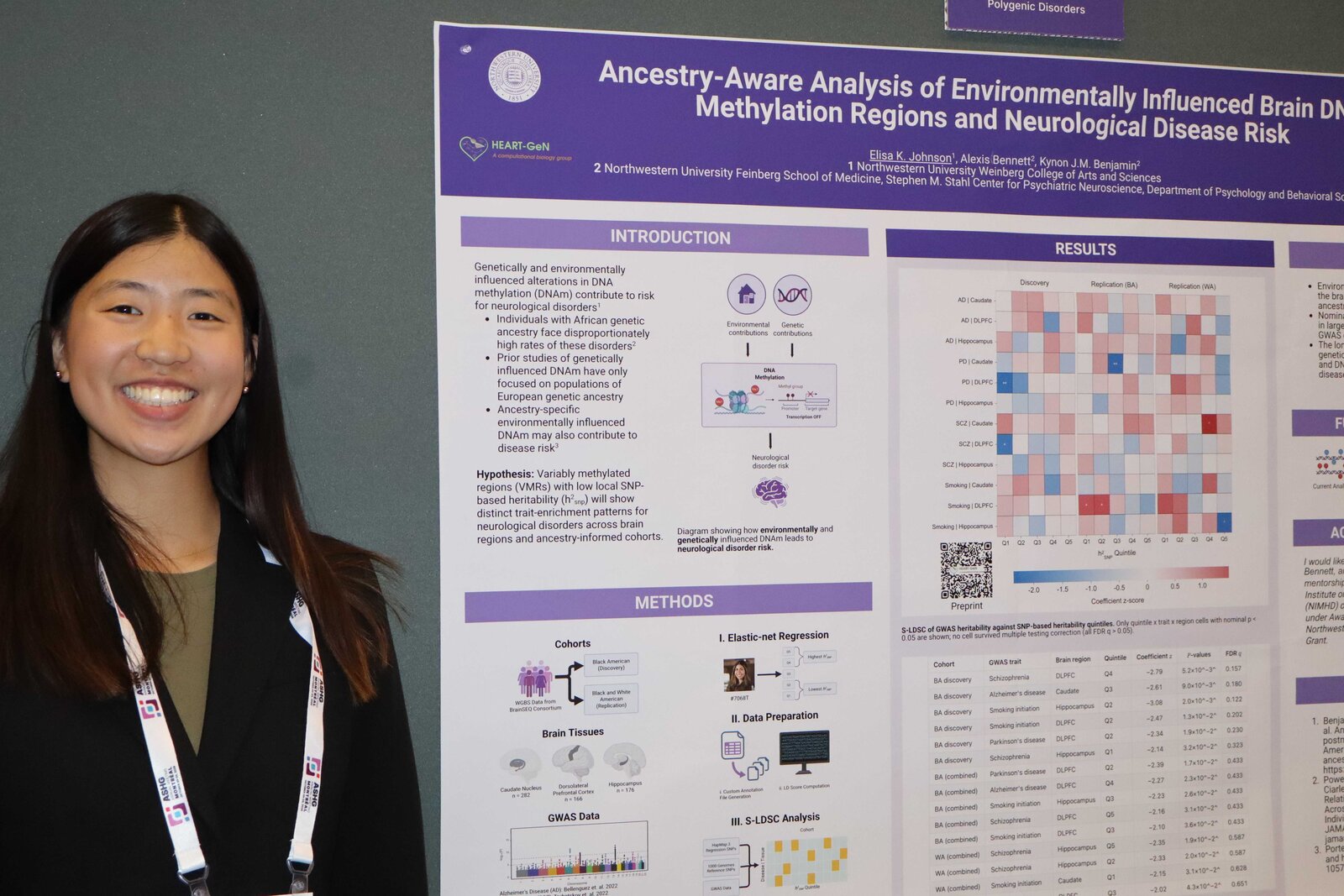
Elisa’s research examines how environmentally influenced patterns of DNA methylation in the brain may relate to neurological disease risk, incorporating ancestry-aware approaches to the analysis of complex molecular traits.
The project explores the importance of considering genetic ancestry and environmental influences when studying molecular variation and disease-associated genetic signals.
This work aligns with our lab’s broader interest in understanding how different sources of molecular variation contribute to neurological and psychiatric disease while improving the representation of diverse populations in genomic research.
Presenting at ASHG provided Elisa with an opportunity to share her work, engage with researchers across human genetics, and gain experience communicating complex scientific questions to a broader research audience.
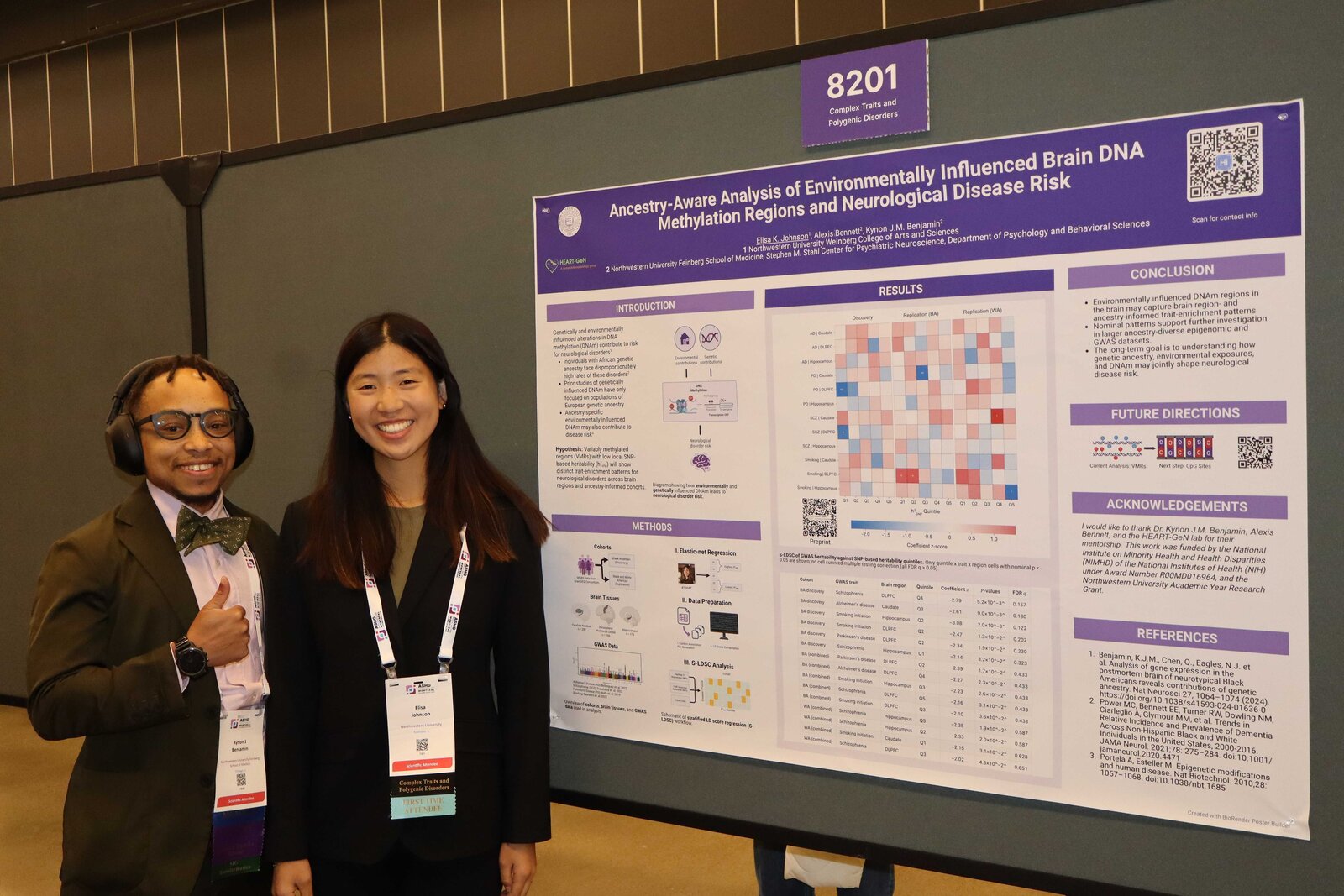
We are excited to support her continued development as a researcher and her interest in connecting genetics research with future work in genetic counseling.
Celebrating Science and Creativity Beyond the Lab
The week also included a special milestone for Elisa outside of human genetics.
On Friday, October 23, just one day after her poster presentation at ASHG, Elisa’s original musical composition, As I Am, was featured as a world premiere on the program of Northwestern University’s Contemporary Music Ensemble.
The concert was held at the Bienen School of Music in Evanston, Illinois, with a livestream option available.
Elisa’s accomplishments in both scientific research and musical composition highlight the diverse interests and talents that members of our research community bring to their work.
We were delighted to celebrate this achievement alongside her contributions to ASHG 2026.
Explore the Contemporary Music Ensemble program.
Reconnecting with Colleagues and the Human Genetics Community
Beyond workshops and research presentations, one of the most rewarding parts of ASHG was the opportunity to reconnect with colleagues and members of the Human Genetics Scholars Initiative (HGSI) cohort.
These conversations provided opportunities to exchange scientific perspectives, reconnect with peers, and strengthen relationships within the human genetics community.
Scientific conferences play an important role in building connections that extend beyond individual projects and institutions. They also provide opportunities for researchers at different career stages to share experiences, learn from one another, and support continued professional development.
For the HEART-GeN Lab, these interactions reinforced the value of collaboration, mentorship, and community in advancing scientific research.
Reflecting on ASHG 2026
Our time in Montréal was an opportunity to share research, engage with new scientific perspectives, and recognize the contributions of our team.
From Dr. Benjamin’s workshop on modeling choices in omics to Alexis’s research presentations and Elisa’s undergraduate research contributions, ASHG 2026 reflected the breadth of work and expertise within the HEART-GeN Lab.
We are grateful to the colleagues, collaborators, and members of the human genetics community who connected with us throughout the meeting.
We look forward to building on these conversations and continuing our work in computational human genetics, brain genomics, and understanding the genetic and environmental contributions to molecular variation and disease.
Learn more about the American Society of Human Genetics and the Human Genetics Scholars Initiative.